
Chief MD, Gangnam
Duk-ha Kim
The trust our patients have placed in this clinic was built on conviction and principle. We intend to hold to both, unchanged, through the next hundred years.
 Seoul
Seoul

Radiofrequency skin-treatment guide
Density is a radiofrequency device from Jeisys Medical that combines monopolar and bipolar RF in sequence within one session — the maker calls this "Sequential Heating." Its published clinical evidence consists of two studies, both without a control group and both including manufacturer-affiliated co-authors.
Density is a radiofrequency (RF) device made by Jeisys Medical. It is neither a laser nor a HIFU (focused ultrasound) system: the maker describes its energy source as RF that runs in a monopolar mode and a bipolar mode within the same session, a method the manufacturer calls "Sequential Heating."
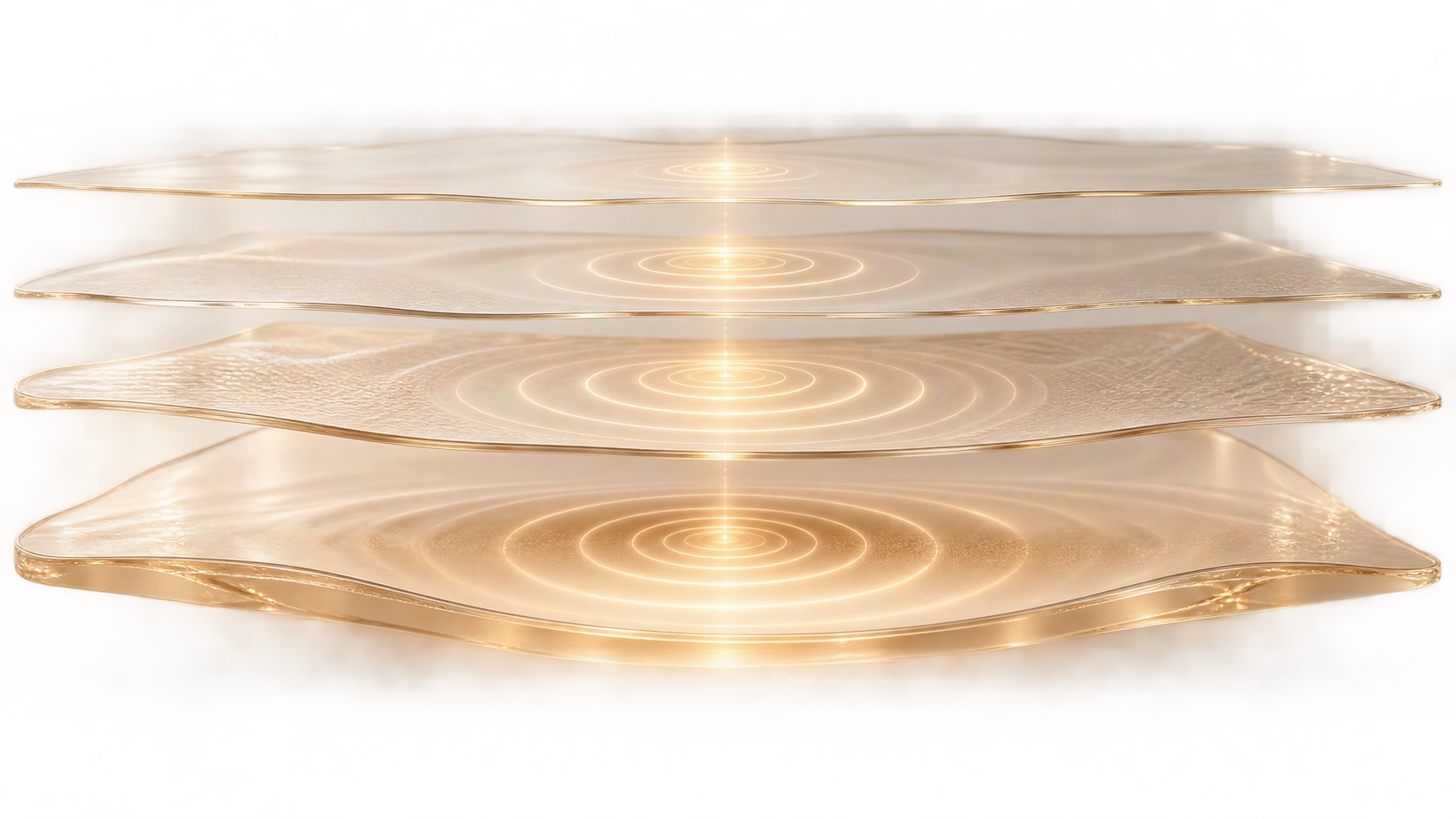
Sequential Heating is the manufacturer’s term for using monopolar RF and bipolar RF in sequence rather than a single mode. The maker’s product page describes this combination as the defining feature of Density; this page does not carry independent data on how the two modes are timed or dosed relative to each other.
Monopolar RF sends current from a treatment tip, through tissue, to a return pad placed elsewhere on the body. Bipolar RF keeps the current between two closely spaced electrodes on the same handpiece, so no return pad is used for that mode. Density is registered with the U.S. FDA under product code GEI (21 CFR 878.4400), the classification for electrosurgical devices, which covers RF energy delivery rather than laser or ultrasound energy.
Sources: Jeisys Medical — Density product pageFDA 510(k) K230663 (2023-08-14) — Density, indications for use
Laser, HIFU and RF are three different energy categories with different clearance pathways and different intended uses. Density’s classification (FDA product code GEI, 21 CFR 878.4400) and the manufacturer’s own description place it in the RF / electrosurgical category, not the laser or HIFU categories, so quotes and comparisons that mix these terms are not describing the same energy.
Sources: Jeisys Medical — Density product pageFDA 510(k) K230663 (2023-08-14) — Density, indications for use
Density has two U.S. FDA 510(k) clearances: K230663, cleared 2023-08-14, and K250065, cleared 2025-07-08. Both list product code GEI under 21 CFR 878.4400. The indications-for-use wording on file states the device is "indicated for use in dermatologic and general surgical procedures for electrocoagulation and hemostasis." That wording does not mention lifting, skin tightening or any cosmetic-improvement claim.
Sources: FDA 510(k) K230663 (2023-08-14) — Density, indications for useFDA 510(k) K250065 (2025-07-08) — Density, indications for use
No. A 510(k) clearance is an FDA determination that a device is substantially equivalent to an already-marketed device — it is not the same review as FDA "approval," and it does not certify a lifting or tightening claim. Both of Density’s clearances (K230663, K250065) carry the electrocoagulation-and-hemostasis wording quoted above, not a lifting indication.
Sources: FDA 510(k) K230663 (2023-08-14) — Density, indications for useFDA 510(k) K250065 (2025-07-08) — Density, indications for use
Jeisys Medical’s own Korean-language product page states that Density has received clearance from Korea’s Ministry of Food and Drug Safety (MFDS). This page does not reproduce that registration number; ask the clinic to show the specific certificate for the unit they use.
Two studies are identifiable for Density: a prospective open-label study at a university hospital, and a smaller single-session study. Neither study included a control group, and both list co-authors affiliated with the manufacturer. The sections below cover each study’s design separately before explaining why those two features change how the numbers should be read.
Sources: Prospective open-label study at a university hospital (26 enrolled, 23 completed, 6-month follow-up, trial registration TCTR20250924004)Single-session study (n=5)
The university-hospital study was a prospective, open-label design registered under trial number TCTR20250924004. It enrolled 26 participants, 23 of whom completed the study, with a follow-up period of six months. It did not include a control or comparison group, and its published author list includes staff affiliated with the manufacturer.
The second published study evaluated a single treatment session in five participants. Like the university-hospital study, it had no control group, and its author list also includes staff affiliated with the manufacturer. This page does not carry outcome figures from either study beyond the design details stated here.
Sources: Single-session study (n=5)
A financial or employment relationship between a study’s authors and the device maker is a conflict-of-interest disclosure, not proof that the results are wrong. What it changes is how the study should be weighed: readers should look for independent replication, check whether the funding or affiliation is disclosed in the paper, and avoid treating manufacturer-linked results as equivalent to an independent, third-party trial.
Without a control or comparison arm, a study cannot separate the treatment’s effect from what would have happened anyway — normal skin changes over time, regression toward the mean, or a placebo-like response to being treated and monitored. Both published Density studies are single-arm, so neither can rule out those alternative explanations on its own.
Two features stand out as uncommon for this device category: a six-month follow-up window and advance trial registration (TCTR20250924004) for the university-hospital study. Those are conditions that make a study easier to audit. They do not offset the absence of a control group or the manufacturer co-authorship noted above — the two sets of facts should be read together, not traded off against each other.
The only follow-up figure in Density’s published evidence is the university-hospital study’s six-month window (TCTR20250924004); the single-session study lists no follow-up period beyond the treatment itself. That six-month figure describes how long the study observed participants, not a confirmed duration of effect: the study has no control group and lists manufacturer-affiliated co-authors, so it cannot separate a lasting device effect from a natural change over the same months. What is more likely to affect how long any change holds up is the RF mode used on the area (monopolar, bipolar, or both in sequence), the settings chosen, the treatment area, and individual skin response — factors this page already covers. Ask the clinic what evidence they are citing when they describe how long results last, and how they decide when a repeat session is appropriate.
Sources: Prospective open-label study at a university hospital (26 enrolled, 23 completed, 6-month follow-up, trial registration TCTR20250924004)Single-session study (n=5)
Confirm the exact device generation, which mode (monopolar, bipolar, or both in sequence) will be used on which area, how settings are chosen, who performs the procedure, and what symptoms should prompt follow-up. Disclose implanted electronic devices or metal near the treatment area, pregnancy or breastfeeding, active skin disease or infection, healing or bleeding problems, current medicines, and recent fillers, toxin, laser, HIFU or RF treatments.
RF treatment should be postponed or reviewed by a clinician when the treatment area has active infection, open or inflamed skin, or when a health condition could affect electrical-device safety, bleeding or healing. Implanted electronic devices, metal near the treatment area, pregnancy or breastfeeding, and recent aesthetic procedures all call for explicit clinician review before treatment.
Contact the clinic promptly for blistering, a suspected burn, increasing pain, drainage, spreading redness or warmth, fever, or persistent or worsening numbness. Seek emergency care for breathing difficulty, fainting, or sudden swelling of the lips, mouth, tongue or throat.
These are two different studies, not two data points on the same scale. Compare the design, the sample and follow-up, and the authorship before treating either study’s existence as proof of an outcome.
| Study | Design | Sample & follow-up | What to check before weighing it |
|---|---|---|---|
| University-hospital study (TCTR20250924004) | Prospective, open-label, no control group | 26 enrolled, 23 completed, 6-month follow-up | Pre-registered trial; includes manufacturer-affiliated co-authors |
| Single-session study | Single treatment session, no control group | 5 participants | Smallest published cohort; includes manufacturer-affiliated co-authors |
This table is a guide to reading the published evidence, not a ranking of results or a promise of any outcome.
Care is provided by the medical team at the branch you select. These clinicians lead the three branches linked from this guide; confirm the doctor assigned to your visit with that branch.
Chief MD, Gangnam
The trust our patients have placed in this clinic was built on conviction and principle. We intend to hold to both, unchanged, through the next hundred years.

Chief MD, Myeongdong
I want to be thinking about how the patient feels right up to the last moment of the procedure.

Chief MD, Hongdae
I will give my best with the attentiveness to catch even the smallest change.
Listed branch medical team — not a medical-review byline for this article.
Density is a radiofrequency (RF) device made by Jeisys Medical that runs monopolar and bipolar RF in sequence within the same session — the manufacturer calls this "Sequential Heating." It is not a laser or a HIFU (focused-ultrasound) device.
It is the manufacturer’s term for combining monopolar RF (current traveling to a separate return pad) and bipolar RF (current confined between two close electrodes) in the same session, rather than using only one mode.
No. Density is registered with the U.S. FDA as an electrosurgical device (product code GEI, 21 CFR 878.4400), which is the RF category, not the laser or HIFU categories.
No. Density holds two FDA 510(k) clearances (K230663 and K250065), and both list the indication as electrocoagulation and hemostasis of soft tissue in dermatologic and general surgical procedures — that wording does not include lifting or tightening.
A 510(k) clearance means the FDA found the device substantially equivalent to an already-marketed device; it is a different, generally lower bar than the approval process used for some other product categories, and it does not add a lifting claim beyond what the cleared wording states.
K230663, cleared on 2023-08-14, and K250065, cleared on 2025-07-08. Both are filed under product code GEI, 21 CFR 878.4400, with the same electrocoagulation-and-hemostasis wording.
Jeisys Medical’s Korean product page states that Density has received MFDS (Korea’s Ministry of Food and Drug Safety) clearance. This page does not list the registration number; ask the treating clinic to show the certificate for the specific unit in use.
Two studies are identifiable: a prospective open-label study at a university hospital (26 enrolled, 23 completed, 6-month follow-up, registered as TCTR20250924004) and a smaller single-session study with five participants.
No. Both the university-hospital study and the single-session study are single-arm designs with no control or comparison group.
Yes. Both published studies list co-authors affiliated with Jeisys Medical, the device manufacturer.
Manufacturer affiliation is a conflict-of-interest disclosure rather than evidence that a study is wrong, but it changes how the results should be weighed — readers should look for independent replication rather than treating a manufacturer-linked study as equivalent to a fully independent trial.
Without a comparison group, a study cannot separate the treatment’s effect from changes that would have happened anyway, so neither published Density study can rule out a natural-course or placebo-like explanation on its own.
Yes: the university-hospital study’s six-month follow-up and its advance trial registration (TCTR20250924004) are relatively uncommon for this device category, though they do not offset the lack of a control group or the manufacturer co-authorship noted above.
Ask which mode — monopolar, bipolar, or both in sequence — will be used on your treatment area, who performs the procedure, and how settings are chosen. Disclose implanted electronic devices or metal near the area, pregnancy or breastfeeding, active skin disease or infection, healing or bleeding issues, current medicines, and any recent filler, toxin, laser, HIFU or RF treatment.
We started in Gangnam in 2006 and the network now runs 17 branches across Korea. The line we work to is skin transformation woven into everyday life — care you can keep up with, rather than one dramatic change.
Free Consultation
There is no inquiry form on this page. Once you have picked a branch above, open that branch’s site or the official reservation center and choose a time yourself.