
Chief MD, Gangnam
Duk-ha Kim
The trust our patients have placed in this clinic was built on conviction and principle. We intend to hold to both, unchanged, through the next hundred years.
 Seoul
Seoul
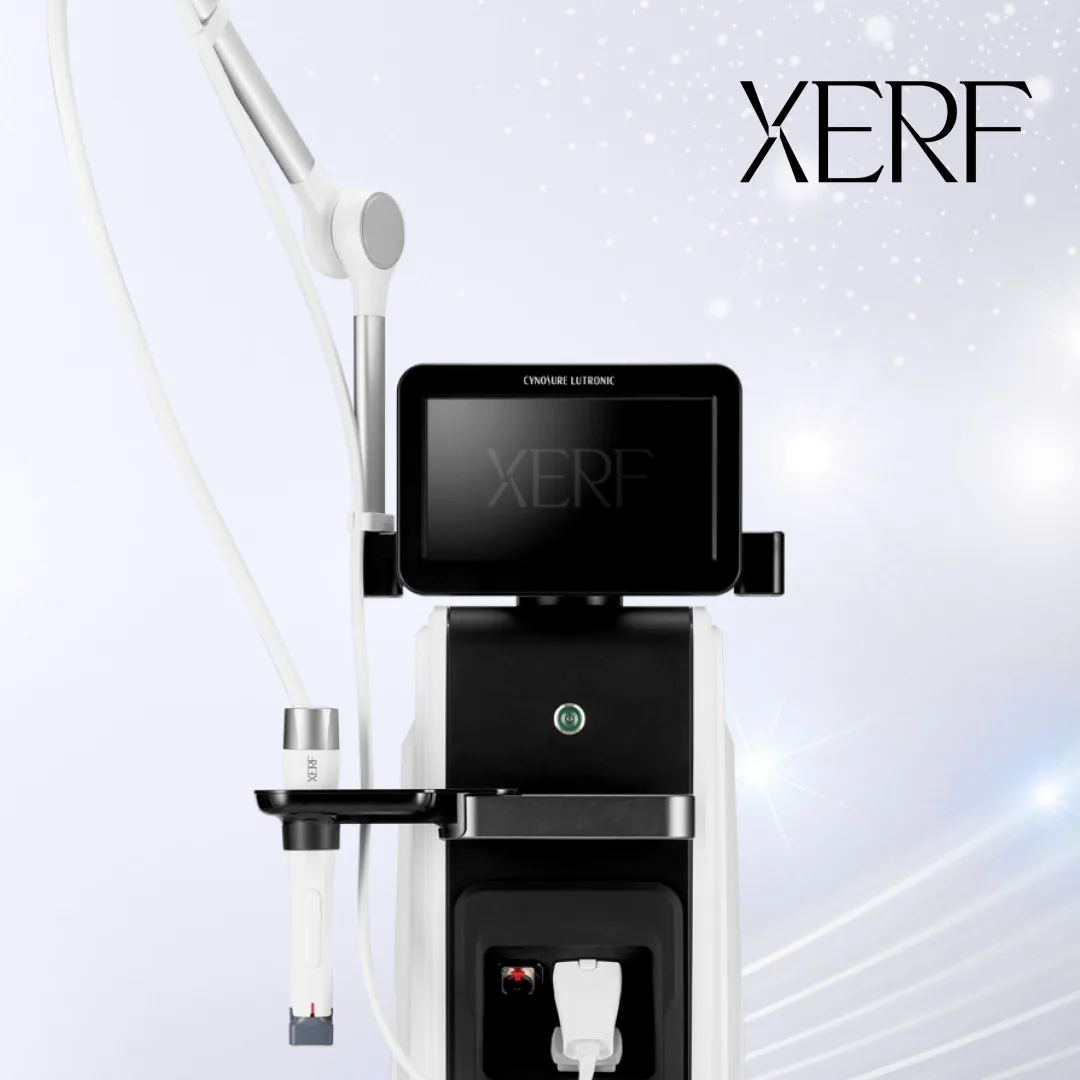
Radiofrequency (RF) device guide
XERF is a dual-frequency monopolar RF device from Lutronic. Its U.S. FDA clearance covers electrocoagulation and hemostasis — not lifting or skin tightening — and a separate FDA record lists an open Class 2 recall for one specific accessory, the XERF EFFECTOR 60.
XERF is made by Lutronic (Cynosure Lutronic). It delivers monopolar radiofrequency (RF) energy, radiating two frequencies at the same time — 2 MHz and 6.78 MHz — which the maker calls a dual-frequency design. It is not a laser and not a HIFU (focused-ultrasound) device; those use different energy types entirely.
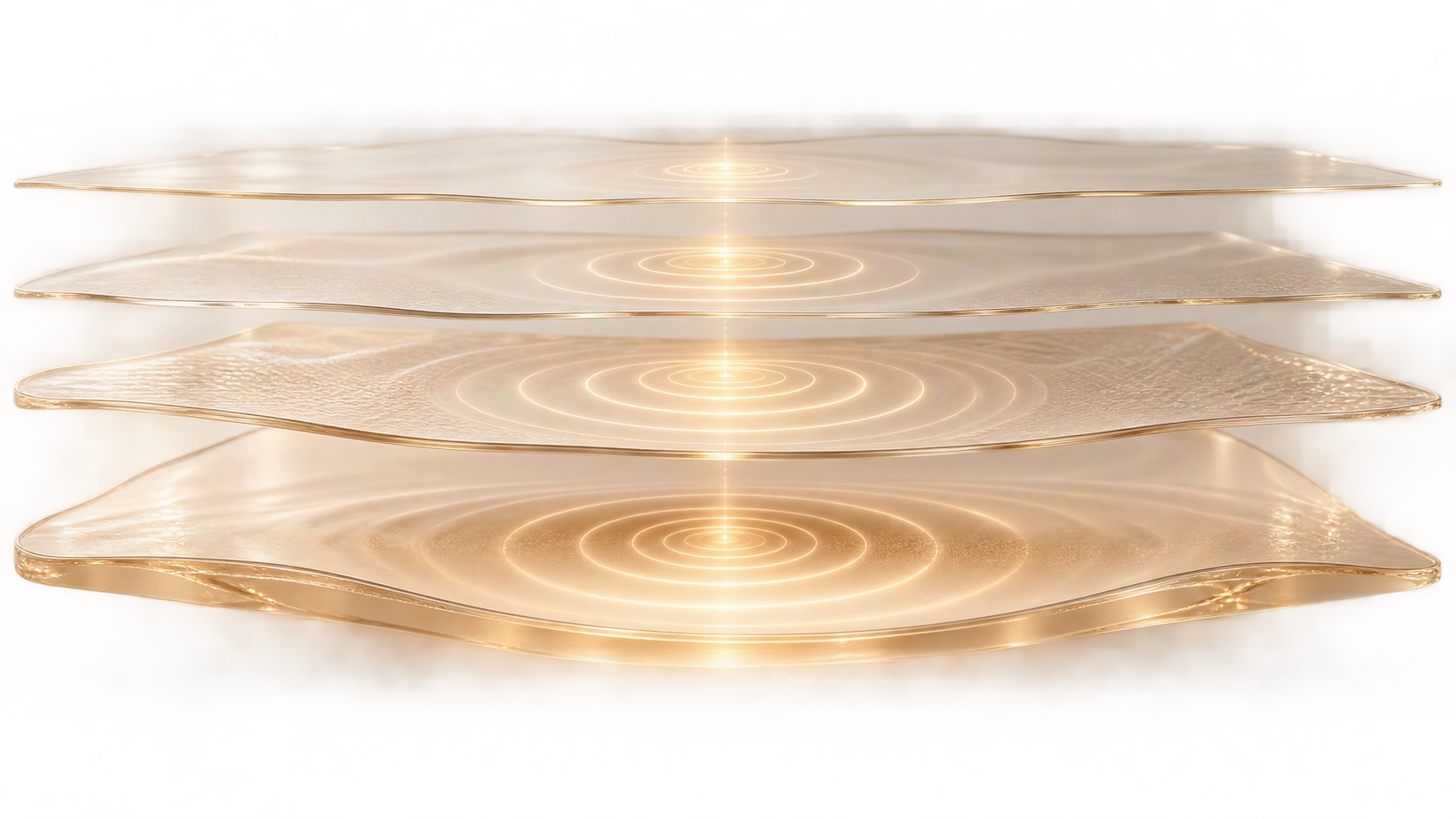
It describes how the energy is generated, not a stated outcome: the device outputs 2 MHz and 6.78 MHz simultaneously instead of switching between one frequency at a time. The source used on this page describes that design choice; ask the treating clinic how they set parameters for your area.
The FDA 510(k) database lists K251327, decided 2025-08-11, filed under 21 CFR 878.4400 (product code GEI) — a regulation used for electrosurgical devices. The predicate device named in that filing is Thermage FLX, an existing monopolar RF system already sold in the U.S.
Sources: FDA 510(k) K251327 (2025-08-11) — XERF clearance summary, indications for use
It means the FDA’s 510(k) review measured XERF against Thermage FLX, an already-marketed monopolar RF device, and found it substantially equivalent for the stated use. That is a regulatory finding about market entry, not a claim that the two devices produce identical results, and not a clinical trial of XERF conducted for the filing.
Sources: FDA 510(k) K251327 (2025-08-11) — XERF clearance summary, indications for use
The record’s indications-for-use sentence reads: “XERF is indicated for use in dermatologic and general surgical procedures for electrocoagulation and hemostasis.” Read it closely: it names electrocoagulation and hemostasis. It does not contain the words lifting, tightening, or wrinkle. Whatever a brochure or a booking page says about lifting, that specific claim is not the wording carried in this clearance record.
Sources: FDA 510(k) K251327 (2025-08-11) — XERF clearance summary, indications for use
No. A 510(k) clearance is a finding of substantial equivalence to an already-marketed predicate device for a stated use — a different pathway from FDA approval, which applies to a smaller set of higher-risk devices reviewed under a premarket approval application. K251327 is a substantial-equivalence decision measured against Thermage FLX. It is not an approval, and it does not certify that XERF lifts or tightens skin.
Sources: FDA 510(k) K251327 (2025-08-11) — XERF clearance summary, indications for use
Yes. FDA lists recall Z-0146-2026 for a product named XERF EFFECTOR 60, classed as a Class 2 recall and covering roughly 7,490 units; the record shows the recall as open.
Sources: FDA medical device recall Z-0146-2026 — XERF EFFECTOR 60
The recall record names a specific product, XERF EFFECTOR 60 — an accessory, not the device line as a whole — and classifies it as Class 2, covering about 7,490 units. FDA defines Class 2 as a situation where use of the affected product may cause temporary or medically reversible harm, a category below its most severe recall class.
Sources: FDA medical device recall Z-0146-2026 — XERF EFFECTOR 60
A retrospective case series in Lasers in Medicine and Science (2026) reviewed 16 patients treated with a dual-frequency monopolar RF device, with follow-up to three months and no control group. One listed author is disclosed in that paper as a trainer for the manufacturer — a stated conflict of interest.
A prospective, multicentre evaluation in Cureus (2026) followed 39 patients treated with a dual-frequency monopolar RF device, with assessments at 30 and 90 days and no control group. The manufacturer supplied the device and funded the study, while the authors state they had no role in designing the study or writing the manuscript.
Because neither has a control group. Without a group that received no treatment, or a different treatment, an observed change cannot be separated from ordinary skin aging, seasonal variation, or regression to the mean. A small, single-arm, industry-connected study of 16 or 39 people followed for a few months describes what one uncontrolled group experienced — it does not demonstrate that the device caused it.
The two studies behind XERF only followed patients to fixed points — the retrospective case series to three months, the prospective multicentre study to 30 and 90 days — and neither had a control group, so whatever change was recorded at those points cannot be separated from ordinary skin aging, seasonal variation, or regression to the mean. One study discloses an author who trains for the manufacturer; the other was device-supplied and funded by the manufacturer. So the published record gives assessment windows, not a measured duration, and neither paper says what happens after its last assessment point. Skin quality, the settings used, the number of sessions, and individual response are what would actually decide how long any change holds, and none of that is reported in either paper. Ask the treating clinic what result they expect to show you at your own follow-up visit, when that visit is scheduled, and what it will be compared against.
Confirm the exact device name and model, whether the effector or tip your clinic uses matches or differs from the item named in the FDA recall (XERF EFFECTOR 60), the treatment goal actually being discussed, who performs the procedure, and which symptoms should prompt a follow-up call. Disclose implanted electronic devices or metal near the treatment area, pregnancy or breastfeeding, active skin disease or infection, healing or bleeding problems, medicines you take, and any recent fillers, toxin, laser, HIFU or RF treatments.
When the treatment area has active infection, open or inflamed skin, or your health history may affect the safety of an electrical device, bleeding, or healing. The sources used on this page publish no contraindication list specific to XERF, so implanted electronic devices, metal near the treatment area, pregnancy or breastfeeding, and recent aesthetic procedures in the same area are screening topics to raise with the clinician — not a sourced list. The decision belongs to the treating doctor after an in-person assessment.
This checklist is general post-procedure safety guidance, not a finding from the sources cited elsewhere on this page. Contact the clinic promptly for blistering, a suspected burn, increasing pain, drainage, spreading redness or warmth, fever, persistent or worsening numbness, new weakness or facial asymmetry, eye symptoms, or an unexpected indentation. Seek emergency help for breathing difficulty, fainting, or sudden swelling of the lips, mouth, tongue or throat.
XERF sits inside more than one public record, and each one says something different. Use this table to line up which record a claim actually comes from before you compare it to something else.
| Record | What it is | What it documents | Why it matters at a consultation |
|---|---|---|---|
| FDA 510(k) clearance | K251327, decided 2025-08-11 | Substantial equivalence to predicate Thermage FLX, for electrocoagulation and hemostasis | This is the wording to check against if lifting or tightening comes up in marketing |
| FDA device recall | Z-0146-2026, open | Names the XERF EFFECTOR 60, Class 2, about 7,490 units | Ask whether the effector in use is the one named here |
| Retrospective case series | Lasers in Medicine and Science, 2026 | 16 patients, 3-month follow-up, no control group, a disclosed manufacturer-trainer co-author | An observation in one uncontrolled group, not a comparison to no treatment |
| Prospective multicentre study | Cureus, 2026 | 39 patients, 30- and 90-day follow-up, no control group, manufacturer-supplied device and funding | Same limit: without a control group, cause cannot be separated from natural change |
This table lines up what each record actually says. It is not a ranking of XERF against other devices, and it does not replace reading the clearance and recall records directly.
Care is provided by the medical team at the branch you select. These clinicians lead the three branches linked from this guide; confirm the doctor assigned to your visit with that branch.
Chief MD, Gangnam
The trust our patients have placed in this clinic was built on conviction and principle. We intend to hold to both, unchanged, through the next hundred years.

Chief MD, Myeongdong
I want to be thinking about how the patient feels right up to the last moment of the procedure.

Chief MD, Hongdae
I will give my best with the attentiveness to catch even the smallest change.
Listed branch medical team — not a medical-review byline for this article.
XERF is a monopolar radiofrequency device made by Lutronic (Cynosure Lutronic) that radiates two frequencies at once, 2 MHz and 6.78 MHz. In the U.S., it holds FDA 510(k) clearance K251327 (2025-08-11), found substantially equivalent to the predicate device Thermage FLX, for electrocoagulation and hemostasis in dermatologic and general surgical procedures.
No. It is a monopolar radiofrequency (RF) device — current, not light or focused ultrasound, is the energy involved. Lasers and HIFU (high-intensity focused ultrasound) devices work on different principles and are not interchangeable names for XERF.
No. The wording in FDA record K251327 covers electrocoagulation and hemostasis in dermatologic and general surgical procedures; it does not contain the words lifting, tightening or wrinkle. A 510(k) clearance is also a substantial-equivalence finding against a named predicate device, not an FDA approval in the stricter sense used for higher-risk devices.
No. Thermage FLX is the predicate device the FDA compared XERF against when deciding substantial equivalence under K251327. That comparison is a regulatory finding about market entry, not a statement that the two devices are the same machine or produce identical outcomes.
No. A 510(k) clearance is a finding of substantial equivalence to an already-marketed predicate device for a stated use, a different pathway from FDA approval, which applies to a smaller set of higher-risk devices reviewed under a premarket approval application. K251327 is a substantial-equivalence decision, not an approval, and it does not certify that XERF lifts or tightens skin.
Yes. FDA recall Z-0146-2026 covers a product named XERF EFFECTOR 60, classed as Class 2 and covering about 7,490 units, and the record shows the recall as open.
It covers one specific accessory. The recall record names the XERF EFFECTOR 60 rather than the device line as a whole, and covers about 7,490 units.
Class 2 is the FDA category for a recall where use of the affected product may cause temporary or medically reversible harm — a lower severity than FDA’s most serious recall class. The XERF EFFECTOR 60 recall, Z-0146-2026, is classed as Class 2 and listed as open.
Two: a retrospective case series (Lasers in Medicine and Science, 2026) of 16 patients followed for three months, and a prospective multicentre evaluation (Cureus, 2026) of 39 patients followed at 30 and 90 days.
No. Neither study used a control group, so an observed change in either cohort cannot be separated from ordinary skin aging, seasonal effects, or regression to the mean. A small, uncontrolled, industry-connected study describes what one group experienced, not what caused it.
Yes, in different ways for each. In the retrospective series, one listed author is disclosed as a trainer for the manufacturer. In the prospective multicentre study, the manufacturer supplied the device and funded the research, while the authors state they had no role in designing the study or writing the manuscript.
Neither the retrospective series nor the prospective multicentre study assigned a comparison group that received no treatment or a different treatment. Without that comparison, a change measured after treatment cannot be separated from ordinary skin aging, seasonal variation, or regression to the mean.
Ask for the exact device and effector name, whether that effector matches the item named in the open FDA recall (XERF EFFECTOR 60), the specific treatment goal being discussed for your area, who performs the procedure, and which post-treatment symptoms should prompt you to call the clinic.
No. It is an energy device that heats tissue, so temporary redness, swelling or discomfort can occur, and burns or other complications are possible. The open FDA recall on the XERF EFFECTOR 60 accessory is also part of the public safety record for this device line, worth asking the clinic about directly.
We started in Gangnam in 2006 and the network now runs 17 branches across Korea. The line we work to is skin transformation woven into everyday life — care you can keep up with, rather than one dramatic change.
Free Consultation
There is no inquiry form on this page. Once you have picked a branch above, open that branch’s site or the official reservation center and choose a time yourself.