
Chief MD, Gangnam
Duk-ha Kim
The trust our patients have placed in this clinic was built on conviction and principle. We intend to hold to both, unchanged, through the next hundred years.
 Seoul
Seoul

Non-thermal shockwave lifting guide
Reftone is a Remed-made device that delivers low-intensity shockwaves rather than heat. Because it does not rely on a heating step, its treatment premise -- and how it should be compared with RF or HIFU lifting -- is different from those devices.
Reftone is manufactured by Remed and delivers low-intensity shockwaves -- mechanical pressure-wave energy -- rather than laser light, radiofrequency current, or focused ultrasound.
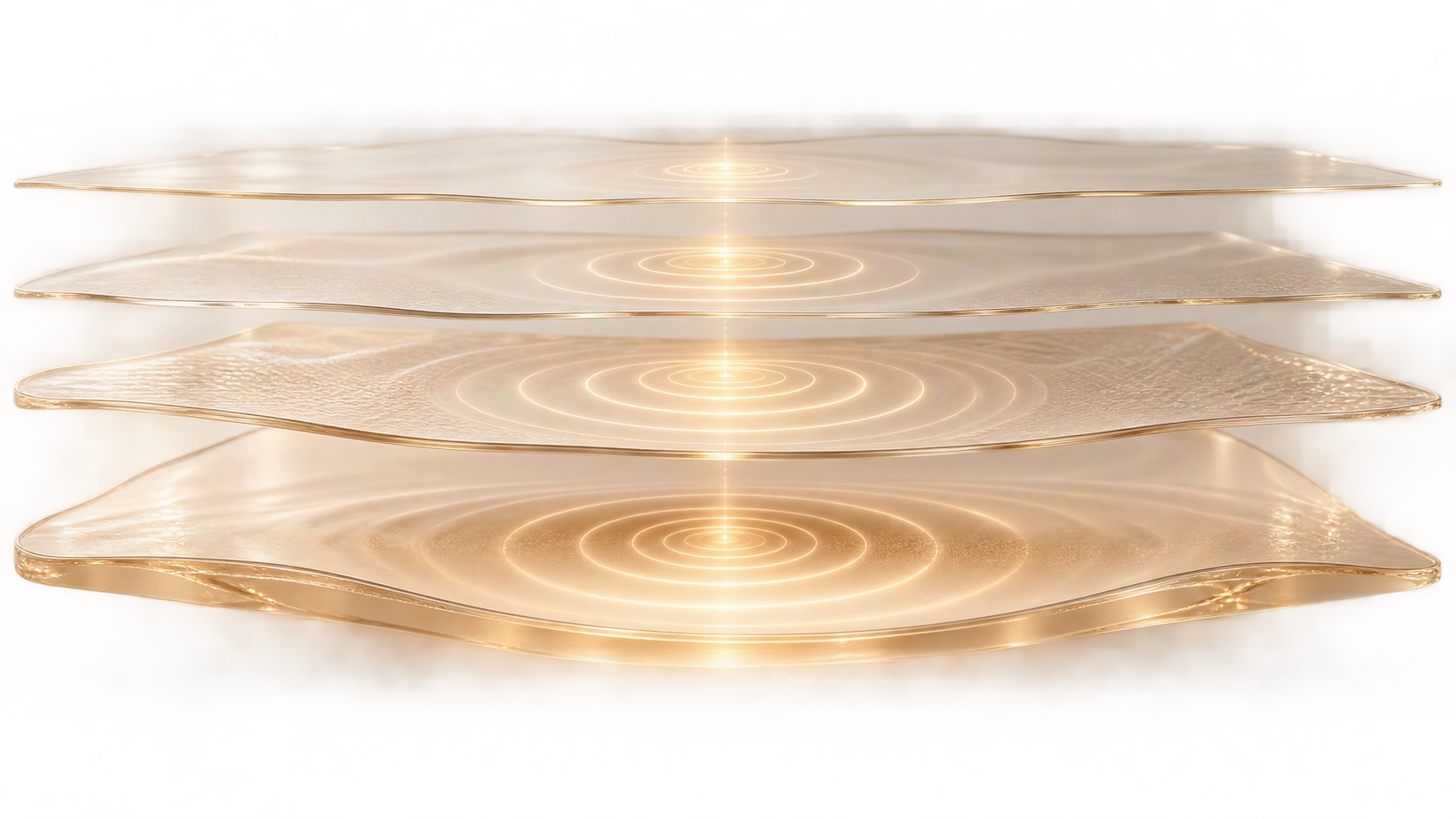
Sources: Remed — Reftone product site
Reftone’s shockwave energy is described as non-thermal: it does not work by heating tissue. That is the main thing to confirm before comparing its settings with any device built around a heating step.
Sources: Remed — Reftone product site
Radiofrequency and high-intensity focused ultrasound devices are generally built around heating tissue. Reftone’s premise is different because it does not use a heating step. This page covers Reftone only -- it does not carry the settings, evidence, or claims published for any specific RF or HIFU device, which should be checked on that device’s own page.
Reftone is made by Remed, per the manufacturer’s own product page.
Sources: Remed — Reftone product site
Shockwave energy was used in other areas of medicine before being adapted into aesthetic devices. This page does not carry specific indications or study results from those other uses -- only the general point that the underlying energy principle is not new to medicine.
The clinic’s treatment guide describes applying a topical numbing cream before a Reftone session.
Sources: Abijou reservation centre — Reftone treatment guide
Per the clinic’s guide, a session runs about 20 to 30 minutes, and the exact time depends on the area being treated.
Sources: Abijou reservation centre — Reftone treatment guide
The clinic’s guide states that session length varies by treatment area rather than giving one fixed duration that applies to every case.
Sources: Abijou reservation centre — Reftone treatment guide
The clinic’s guide lists a recommended frequency of about one to two sessions per year.
Sources: Abijou reservation centre — Reftone treatment guide
No -- the once-or-twice-a-year figure is the clinic’s own scheduling guidance, not a published outcome measurement. It describes how the treatment is offered, not how long any visible change lasts.
Sources: Abijou reservation centre — Reftone treatment guide
This page does not carry a duration measurement for Reftone in either direction — the once-or-twice-a-year interval already noted is the clinic’s own scheduling guidance, not a study of how long a visible change lasts. What is worth asking about instead is the mechanism difference: because Reftone’s energy is non-thermal, whatever follows a session does not come from the heat-driven collagen remodelling that RF or HIFU devices are built around, and neither pathway’s duration is measured here. Ask the clinic directly what their one-to-two-times-a-year guidance is actually based on — a return-of-effect pattern they have observed, a maintenance interval they recommend regardless of effect, or simply how often the device is normally booked — and ask them to separate any change they expect from temporary swelling or skin response in the days right after a session.
Sources: Remed — Reftone product siteAbijou reservation centre — Reftone treatment guide
Ask the clinic to name the exact device and model in the room, confirm that the energy delivered is shockwave-based rather than RF, HIFU, or laser, and have them state the planned area and number of sessions before you begin.
Because “lifting device” covers several different energy types, ask the clinic to name the manufacturer and confirm in plain terms that the machine produces shockwaves rather than radiofrequency current or focused ultrasound before treatment starts.
Shockwave, radiofrequency, and focused-ultrasound devices measure output in different units for different physical processes, so a shot count or wattage figure from one energy type does not translate into an equivalent number on another. Matching those numbers across different device types is not a valid comparison.
Ask the clinic what to expect right after the session, when they would want a follow-up visit, and how the one-to-two-times-a-year schedule they quote applies to your specific plan.
Sources: Abijou reservation centre — Reftone treatment guide
Because Reftone’s non-thermal shockwave premise is different from heat-based RF or HIFU lifting, start by asking which energy principle the clinic recommends for your case and why, confirmed device by device rather than by comparing brand names alone.
These three energy types start from different physical premises. This table compares only the premise each is generally built on, not efficacy, safety data, or settings for any device -- ask each clinic for the model-specific information behind its own quote.
| Energy type | Basic premise | Confirm before comparing quotes |
|---|---|---|
| Reftone (shockwave) | Low-intensity, non-thermal mechanical pressure waves | Confirm the device is Reftone, that the energy is shockwave rather than heat-based, the treatment area, and the planned number of sessions |
| Radiofrequency (RF) lifting | Built around heating tissue as the working step | Check that device’s own page for its specific mechanism, settings, and evidence -- not carried over from this page |
| HIFU lifting | Built around heating tissue via focused ultrasound | Check that device’s own page for its specific mechanism, settings, and evidence -- not carried over from this page |
This table maps the premise behind each energy type for a consultation conversation. It is not a ranking, and it does not carry settings, shot counts, or results published for any specific RF or HIFU device.
Care is provided by the medical team at the branch you select. These clinicians lead the three branches linked from this guide; confirm the doctor assigned to your visit with that branch.
Chief MD, Gangnam
The trust our patients have placed in this clinic was built on conviction and principle. We intend to hold to both, unchanged, through the next hundred years.

Chief MD, Myeongdong
I want to be thinking about how the patient feels right up to the last moment of the procedure.

Chief MD, Hongdae
I will give my best with the attentiveness to catch even the smallest change.
Listed branch medical team — not a medical-review byline for this article.
Reftone is a device made by Remed that delivers low-intensity, non-thermal shockwaves to the skin. It is not a laser, radiofrequency, or focused-ultrasound device.
No -- Reftone’s shockwave energy is described as non-thermal, unlike RF or HIFU lifting devices that are generally built around a heating step. That is the main distinction to confirm before comparing it with a heat-based device.
Reftone is manufactured by Remed, according to the manufacturer’s own product page.
No -- Reftone’s energy source is a non-thermal shockwave, while RF and HIFU devices are generally built around heating tissue. Because the underlying premise differs, settings, shot counts, and results published for RF or HIFU devices do not apply to Reftone.
No -- shockwave energy was used in other areas of medicine before being adapted into aesthetic devices. This page does not carry specific indications or study results from those other uses.
Yes -- per the clinic’s treatment guide, a topical numbing cream is applied before a Reftone session.
About 20 to 30 minutes, according to the clinic’s guide, though the exact time depends on the treatment area.
Because the clinic’s guide ties session length to the specific area being treated rather than quoting one fixed duration for every case.
The clinic’s guide lists a recommended frequency of about one to two sessions a year.
No -- the once-or-twice-a-year figure is the clinic’s own scheduling guidance, not a measured outcome, so it describes how the treatment is offered rather than how long any visible change persists.
Ask the clinic to name the exact device and model, confirm that the energy is shockwave-based, and state the planned treatment area and number of sessions before you begin.
Ask the clinic directly to name the manufacturer and confirm in plain terms that the device delivers shockwaves rather than radiofrequency current or focused ultrasound, since “lifting device” covers several different energy types.
No -- shockwave, RF, and focused-ultrasound devices measure output in different units for different physical processes, so a number from one energy type does not translate into an equivalent figure on another.
Start by asking the clinic which energy principle -- shockwave or heat-based -- it recommends for your case and why, and confirm that reasoning device by device rather than comparing brand names alone.
We started in Gangnam in 2006 and the network now runs 17 branches across Korea. The line we work to is skin transformation woven into everyday life — care you can keep up with, rather than one dramatic change.
Free Consultation
There is no inquiry form on this page. Once you have picked a branch above, open that branch’s site or the official reservation center and choose a time yourself.