
Chief MD, Gangnam
Duk-ha Kim
The trust our patients have placed in this clinic was built on conviction and principle. We intend to hold to both, unchanged, through the next hundred years.
 Seoul
Seoul

Monopolar radiofrequency treatment guide
Thermage is a monopolar radiofrequency system that heats tissue below the surface while the surface itself is cooled, using what the manufacturer calls a reverse thermal gradient. Device registrations are decided country by country, so the clearance that applies where you are treated has to be confirmed locally.
Thermage is a monopolar radiofrequency device made by Solta Medical, and the manufacturer describes it as FDA-cleared for non-invasive treatment of wrinkles. Solta Medical’s material for professionals describes the platform more precisely: a monopolar, capacitively coupled radiofrequency system that utilizes a reverse thermal gradient. Those two lines are the manufacturer’s own description of the device, not a statement about the result any one person will get.
Sources: Thermage official (Solta Medical)Solta Medical UK — professionals
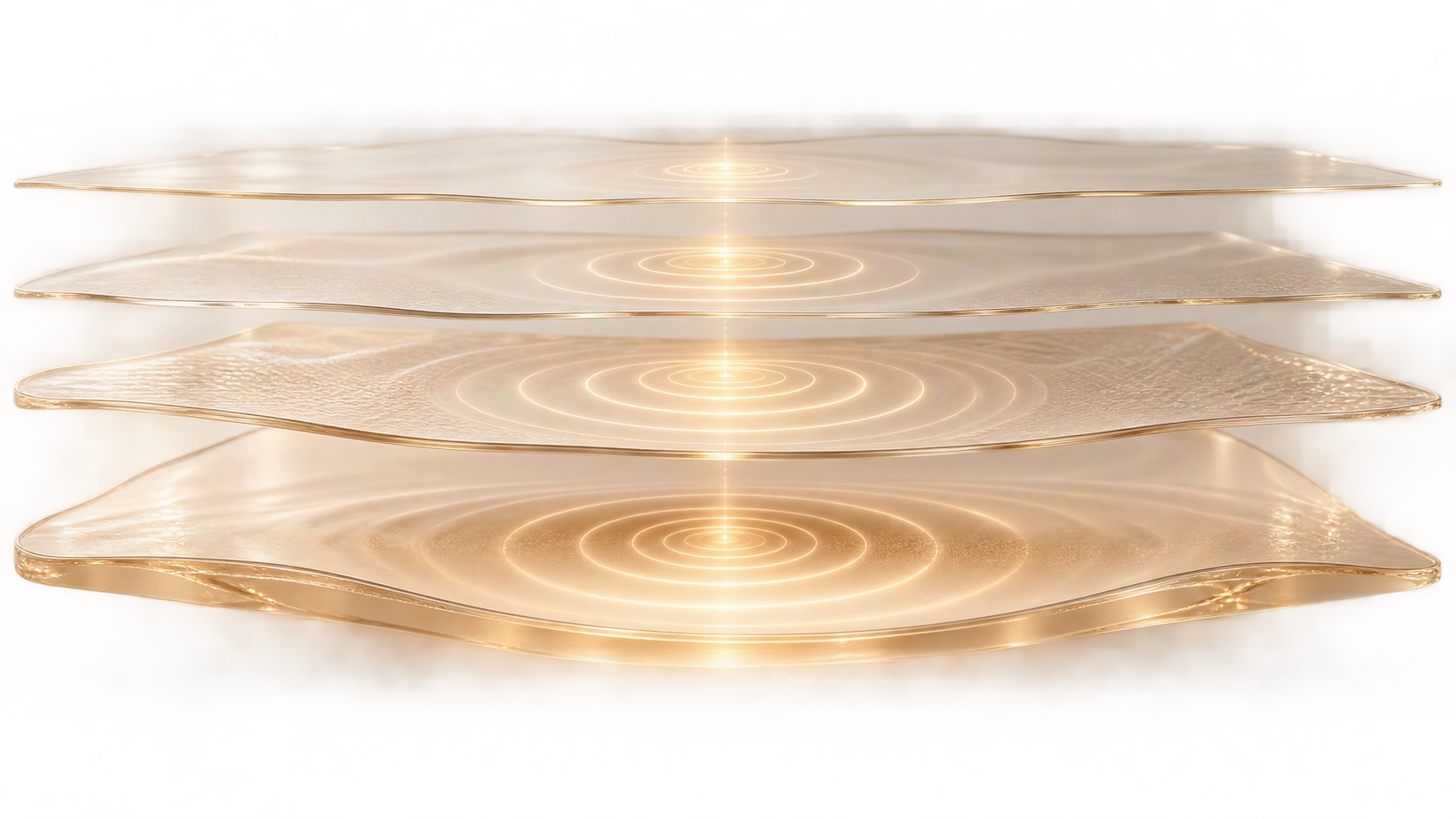
Because the system is built around a reverse thermal gradient, which is how Solta Medical’s professional material describes it: a monopolar, capacitively coupled radiofrequency system that utilizes a reverse thermal gradient. Cooling is applied where the tip meets the skin while the RF energy is directed into tissue below it. The sources cited here describe that design principle only — they publish no temperature figure, no treatment depth and no promised change per pass — so ask the treating clinic how they choose settings and how many passes they plan for your area.
Sources: Solta Medical UK — professionals
Four tips, separated by treatment-surface size: Total Tip 4.0cm², Total Tip 3.0cm², Eye Tip 0.25cm² and Body Tip 16.0cm². The manufacturer lists facial areas including the forehead, mid-face, lower face, jawline and under the chin, and body areas including the abdomen, thighs, above the knees and below the bra line. Solta Medical’s professional material describes the Eye Tip as delivering shallower heating for the periorbital area and the eyelids, which is why the eye area is not treated with a face tip.
Sources: Thermage official (Solta Medical)Solta Medical UK — professionals
It covers an area evenly instead of concentrating energy into separate points. A 2026 narrative review in Lasers in Surgery and Medicine states that, unlike devices that create fractional injury patterns or discrete focal points (for example radiofrequency microneedling, fractional lasers and high-intensity focused ultrasound), monopolar RF treats an area uniformly and non-invasively. That sentence describes how the energy is distributed. It comes from a narrative review rather than a head-to-head trial, so it is not a ranking of outcomes between those methods.
RF energy is not absorbed by melanin, according to the same 2026 narrative review, which is why radiofrequency is described differently from light-based devices that target pigment. This is a statement about how the energy behaves in tissue, not a safety guarantee and not a promise of the same outcome for every skin type. Whether the treatment suits your skin is decided at an in-person assessment.
Three, and each applies only in its own country. In the United States, the FDA 510(k) database lists K170758, Thermage FLX System and Accessories, Solta Medical, decided 2017-09-22 as Substantially Equivalent, product code GEI under 21 CFR 878.4400. In China, Bausch Health announced NMPA registration of Thermage FLX on 2024-01-18, with approved indications covering non-invasive treatment of periorbital and eyelid wrinkles, non-invasive treatment of wrinkles, and — when RF is applied together with vibration — temporary improvement in the appearance of cellulite. In Taiwan, Solta Medical Taiwan lists the licence 衛部醫器輸字第031638號 for 「"梭達"熱世紀飛可適除皺系統」. The sources used on this page do not cover the registration status in Korea or in any other country, so ask the clinic that treats you which national registration applies to the unit in their treatment room.
Sources: FDA 510(k) K170758 — Thermage FLX SystemChina NMPA registration (Bausch Health, 2024-01-18)Taiwan TFDA 衛部醫器輸字第031638號 (Solta Medical Taiwan)
The strongest trial cited here did not test Thermage as the treatment — it used Thermage as the comparator. Wang et al. (Lasers in Medical Science, 2026) ran a multicentre, randomised, evaluator-blinded, active-controlled non-inferiority trial in 212 participants: 107 received the new device under test and 105 received Thermage CPT as the control arm, with follow-up over six months. At day 90 the GAIS improvement rate was 100% in the new-device group and 98.10% in the Thermage CPT control group, with no statistically significant difference between them. The authors state their own limits: assessment was largely subjective, without objective instrumental or histological measurement, and about 94% of participants were women. Note also that the control device was Thermage CPT, a different system generation from the FLX system described elsewhere on this page, and that six months is the length of the observation window — not a statement about how long any result lasts.
The RCT cited on this page followed participants for six months, but look closely at what it measured: Thermage CPT was the control arm being compared against a newer device, not the treatment under test, and the reported number — a 98.10% GAIS improvement rate in the Thermage CPT arm at day 90 — is an improvement rate at one time point, not a curve showing when any change starts to fade. No source cited on this page follows a Thermage session past that six-month window. The design principle described elsewhere on this page — a reverse thermal gradient that heats tissue below a cooled surface — says nothing about how long a heating effect holds up, because the sources publish no temperature figure, treatment depth or change-per-pass. How long a visible result lasts in practice depends on which tip and settings are used and how your own tissue responds, and none of that is quantified in what is cited here. Ask the clinic what they have observed with the specific generation and tip they plan to use, and when they would recommend a follow-up session.
Sources: Wang Z et al., Lasers Med Sci 2026;41(1):39Solta Medical UK — professionals
Confirm the exact device and its generation, which tip will be used and its size, the area to be treated, how many shots are planned, who performs the procedure, what follow-up is included, and which symptoms should prompt you to call back. Disclose implanted electronic devices, metal near the treatment area, pregnancy or breastfeeding, active skin disease or infection in the area, healing or bleeding problems, the medicines you take, and any recent fillers, toxins, lasers, ultrasound or RF treatments. If you are visiting Korea for a short stay, give your travel dates at the same time so the clinic can plan the session and any follow-up around them.
When the treatment area has an active infection, broken or inflamed skin, or when your health history may affect the safety of an electrical device, bleeding or healing. The sources cited on this page do not publish a contraindication list for Thermage, so the following are screening topics to raise with the clinician rather than a sourced list: implanted electronic devices, metal near the treatment area, pregnancy or breastfeeding, and recent aesthetic procedures in the same area. The decision belongs to the treating doctor after an in-person assessment.
This checklist is general post-procedure safety guidance, not a finding from the sources cited elsewhere on this page. Contact the clinic promptly for blistering, a suspected burn, increasing pain, drainage, spreading redness or warmth, fever, persistent or worsening numbness, new weakness or facial asymmetry, eye symptoms, or an unexpected indentation. Seek emergency help for breathing difficulty, fainting, or sudden swelling of the lips, mouth, tongue or throat.
These are different ways of delivering energy, not tiers of one treatment. The only sourced comparison on this page is a narrative review’s description of how energy is distributed — an area treated uniformly versus fractional patterns or discrete focal points — so use the table to line up what to confirm, and treat the rest as consultation questions.
| Method | Energy and delivery | Distribution pattern | Confirm before comparing quotes |
|---|---|---|---|
| Thermage (monopolar RF) | Monopolar, capacitively coupled RF with a reverse thermal gradient | Treats an area uniformly and non-invasively, per the narrative review | Device generation, tip type and size, planned shot count, area treated, one session or a package, and what follow-up is included |
| HIFU (focused ultrasound) | Focused ultrasound energy | Grouped by the narrative review with devices that create discrete focal points | Exact device name, the depths being treated, number of lines, and the area covered by the quote |
| RF microneedling | RF delivered through needles that enter the skin | Grouped by the narrative review with devices that create fractional injury patterns | Exact device name, needle depth and count, number of passes, and the aftercare instructions that follow a skin-penetrating procedure |
| Bipolar RF devices | Radiofrequency delivered in a bipolar electrode configuration rather than the monopolar configuration described for Thermage | Not characterised by the sources cited on this page | Exact device and handpiece name, target area, how many sessions the quoted plan contains, and what one session includes |
This table is a consultation map for comparing quotes, not a ranking or an efficacy comparison. The narrative review cited here describes how energy is distributed, not which method produces a better outcome, and no direct comparison between Thermage and these methods was found in the manufacturer material used for this page.
Care is provided by the medical team at the branch you select. These clinicians lead the three branches linked from this guide; confirm the doctor assigned to your visit with that branch.
Chief MD, Gangnam
The trust our patients have placed in this clinic was built on conviction and principle. We intend to hold to both, unchanged, through the next hundred years.

Chief MD, Myeongdong
I want to be thinking about how the patient feels right up to the last moment of the procedure.

Chief MD, Hongdae
I will give my best with the attentiveness to catch even the smallest change.
Listed branch medical team — not a medical-review byline for this article.
Thermage is a brand of monopolar radiofrequency device made by Solta Medical, not a generic name for any RF procedure. FLX is the system generation: the U.S. FDA record K170758 lists it as “Thermage FLX System and Accessories”. Clinics often advertise their own nickname for the session, so ask which device generation and which tip they will actually use before you book.
No. It is a non-invasive energy device, so no filler, drug or thread is placed in the skin — the manufacturer describes it as monopolar RF that is FDA-cleared for non-invasive treatment of wrinkles. The consumable part is the treatment tip fitted to the handpiece, such as the Total Tip 4.0cm² or the Eye Tip 0.25cm², and the tip stays on the surface of the skin.
It describes how the radiofrequency is coupled into the skin rather than what the result will be. Solta Medical’s professional material calls Thermage a monopolar, capacitively coupled radiofrequency system that utilizes a reverse thermal gradient, and that pairing is why surface cooling is part of the treatment instead of an optional add-on. The sources cited here publish no depth or temperature figures, so ask the clinic how they set and monitor each pass.
The sources on this page cannot answer that, because no head-to-head trial between them is cited here. What is sourced is a distribution difference: a 2026 narrative review describes monopolar RF as treating an area uniformly and non-invasively, unlike devices that create discrete focal points, and it groups high-intensity focused ultrasound with those focal-point devices. No comparison against HIFU was verified in the Thermage manufacturer material used here, so the choice belongs to an in-person assessment.
No — the two put energy into the skin in different ways. The 2026 narrative review groups radiofrequency microneedling with devices that create fractional injury patterns, while monopolar RF is described as treating an area uniformly and non-invasively. RF microneedling also penetrates the skin with needles, which places it in a different procedure category from a tip applied to the skin surface, so their aftercare instructions are not interchangeable either.
No. Monopolar RF is a category of energy delivery, not a single device. The specifications documented on this page — capacitively coupled delivery with a reverse thermal gradient, the four tip sizes, and the U.S. record K170758 — come from material about Thermage specifically, and this page holds no data comparing Thermage with other monopolar RF brands. Ask for the device name, the generation and the tip printed on the packaging rather than relying on the category word.
The sources cited on this page publish no pain score and no anaesthesia protocol for Thermage, so this page cannot state a pain level for you. What is documented is the design: a reverse thermal gradient, with cooling at the surface while RF heats the tissue below. Ask the clinic what comfort measures they use for the tip and area planned for you, and tell the operator during the session if the heat stops being tolerable.
Ask the clinic that treats you, because no recovery timetable appears in the sources cited on this page. The randomised trial cited here reported scheduled follow-up assessments rather than aftercare instructions, and the manufacturer material describes the device rather than the days after a session. If you are travelling, give the clinic your departure date before booking so the session and any check-up fit your trip.
No session count or interval is documented in the sources cited on this page. The randomised trial cited here followed participants for six months and used Thermage CPT as its control arm, so it describes an observation window rather than a treatment schedule. Ask the clinic how many sessions they propose, what each session includes, and the reasoning behind the interval they suggest.
That has to be cleared by the treating doctor before you book. The sources cited on this page publish no contraindication list for Thermage, so this page can tell you neither that it is safe nor that it is unsafe in your case; implanted electronic devices and metal near the treatment area are standard screening topics for any electrical energy device. Bring the documentation for your implant to the consultation.
No. Non-invasive describes how the energy is delivered, not an absence of risk. Any heat-based device carries the possibility of skin injury such as a burn, and temporary redness, swelling or tenderness can follow a session. The sources cited on this page publish no adverse-event rate for Thermage, so ask the clinic what they see in practice, what they do if it happens, and how to reach them after you leave.
A U.S. clearance covers the United States only, and the registration that applies in Korea is not covered by the sources used on this page. What can be verified here is the U.S. FDA record K170758 (Thermage FLX System and Accessories, Solta Medical, decided 2017-09-22 as Substantially Equivalent, product code GEI, 21 CFR 878.4400), the Chinese NMPA registration announced by Bausch Health on 2024-01-18, and the Taiwanese licence 衛部醫器輸字第031638號. Registration category, permitted wording and intended use are decided country by country, so ask the clinic in Korea which national registration applies to the unit they use.
Line up what each quote includes before you compare amounts. Confirm the device generation, the tip and its size (a Total Tip 4.0cm² and an Eye Tip 0.25cm² are not the same treatment surface), the number of shots, the area treated, whether the quote covers one session or a package, and what follow-up is included. Two quotes built on different tips, areas or shot counts describe different sessions, so a brand name on its own is not a comparison.
Suitability is decided at an in-person consultation, short trip or not. The manufacturer lists facial areas such as the forehead, mid-face, lower face, jawline and under the chin, and body areas such as the abdomen, thighs, above the knees and below the bra line, but an area list is not a statement that the treatment suits you. Tell the clinic your travel dates, medicines, medical history and recent procedures so they can judge whether the timing and any follow-up work for your schedule.
We started in Gangnam in 2006 and the network now runs 17 branches across Korea. The line we work to is skin transformation woven into everyday life — care you can keep up with, rather than one dramatic change.
Free Consultation
There is no inquiry form on this page. Once you have picked a branch above, open that branch’s site or the official reservation center and choose a time yourself.